Biografilm Poetry
Biografilm Poetry – La vita che scrive
Biografilm was created as a space for telling lives, but not in the narrow sense of biography: it is a place where stories are transformed, questioned, and opened up to different forms of narration. Fiction and documentary cinema have always shared this tension toward reality and its possibilities.
For the first time this year, the festival is dedicating an entire day to poetry. A natural, almost necessary opening: poetry as an essential form of storytelling, capable of traversing lives without directly representing them, of restoring their rhythm, fractures, and intensities. A space where language works through subtraction, echo, and vision.
The poetry day thus becomes part of the program as a different device for listening, one that continues—through another language—Biografilm’s exploration of the forms of living and storytelling.
Bringing these two forms into dialogue means opening up a question about storytelling itself: what does it mean to “tell a life”? What are its margins, its omissions, its possibilities of transformation?
In their encounter, cinema and poetry do not translate into one another, but rather expose each other’s limits. It is precisely in this space—between vision and language, between life and words—that a new form of storytelling can emerge: more fragile and at the same time more radical, capable of conveying not so much facts, but the experience of living.
This first edition of Biografilm Poetry – La vita che scrive opens with a meeting titled “Cercherò frasi che ti salvano” with the master of contemporary poetry Milo De Angelis with readings by Viviana Nicodemo.
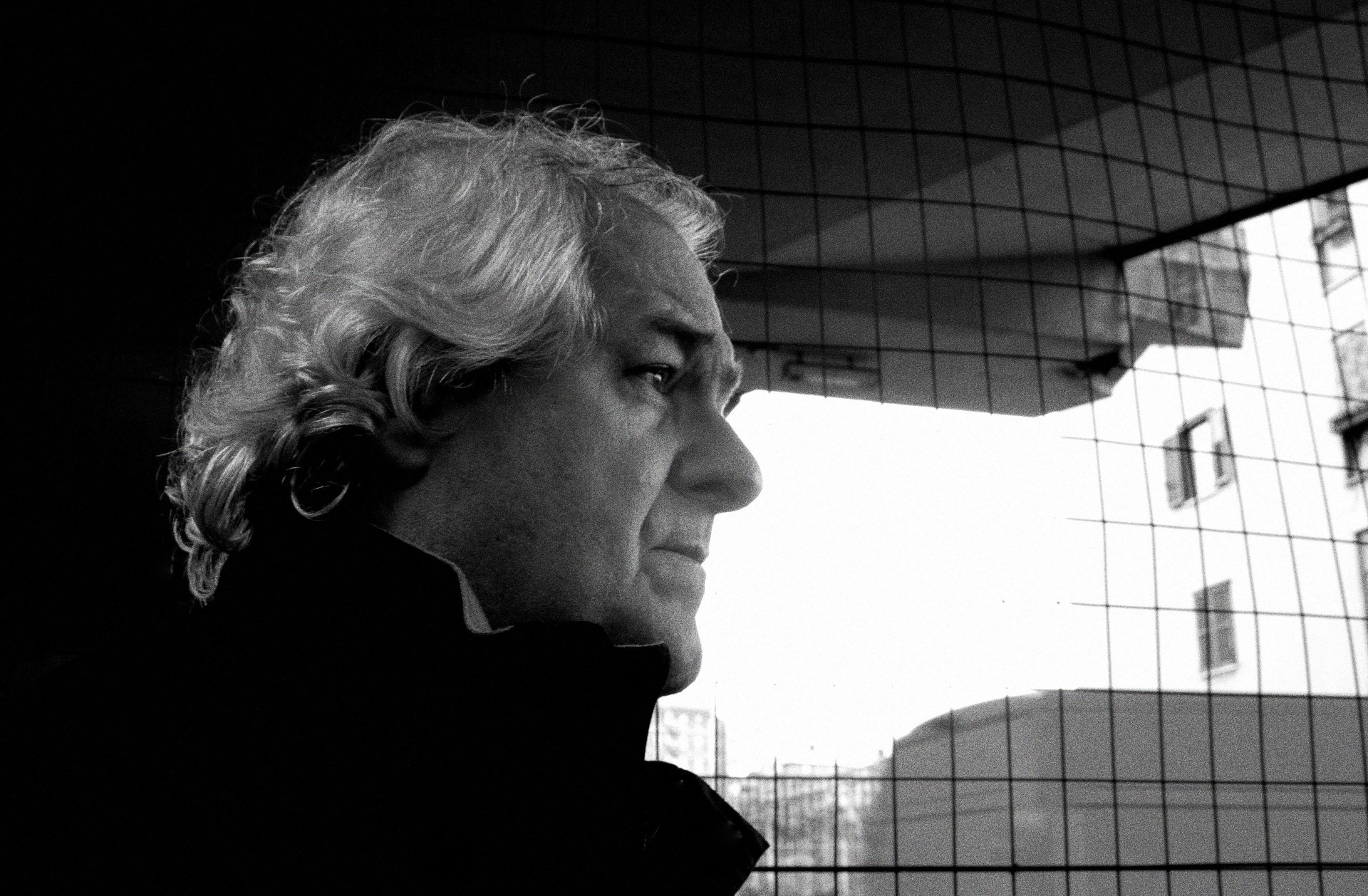
Milo De Angelis
Milo De Angelis lives in Milan, where he was born in 1951. He has published Somiglianze (Guanda, 1976); Millimetri (Einaudi, 1983); Terra del viso (Mondadori, 1985); Distante un padre (Mondadori, 1989); Biografia sommaria (Mondadori, 1999); Tema dell’addio (Mondadori, 2005); Quell’andarsene nel buio dei cortili (Mondadori, 2010); Incontri e agguati (Mondadori, 2015); Linea intera, linea spezzata (Mondadori, 2021); Poesie dell’inizio 1967–1973 (Mondadori, 2025). He has also written the short story La corsa dei mantelli (Guanda, 1979) and a volume of essays (Poesia e destino, Cappelli, 1982). In 2017, Mondadori published a collection of his poems (Tutte le poesie 1969–2015). He has translated from French and from classical languages.
The Residency
Within Biografilm Poetry a residency takes shape dedicated to four emerging voices in contemporary Italian poetry, invited to experience the festival as a space for exploration and research.
Over the course of several days, the poets will be immersed in the festival program, engaging with a curated selection of films conceived as sites of activation: not objects for critical analysis, but opportunities for listening and resonance.
Screening thus becomes the starting point for a writing workshop in which cinema is neither translated nor interpreted, but rather traversed. Images, rhythms and narrative structures act as catalysts, opening up a space in which poetry may emerge as an autonomous and creative response.
The aim is to generate a kind of chemical reaction between viewing and writing: a field of tension in which cinematic storytelling and poetic language intersect and contaminate one another, giving rise to texts born from the shared experience of seeing.
The residency thus becomes not only a place of production and research, but also a moment of exchange and restitution, in which the texts developed through the workshop enter into dialogue with the wider context of the festival.
The protagonists of the Residency
Meet the protagonists of the first edition of the Biografilm Poetry residency.
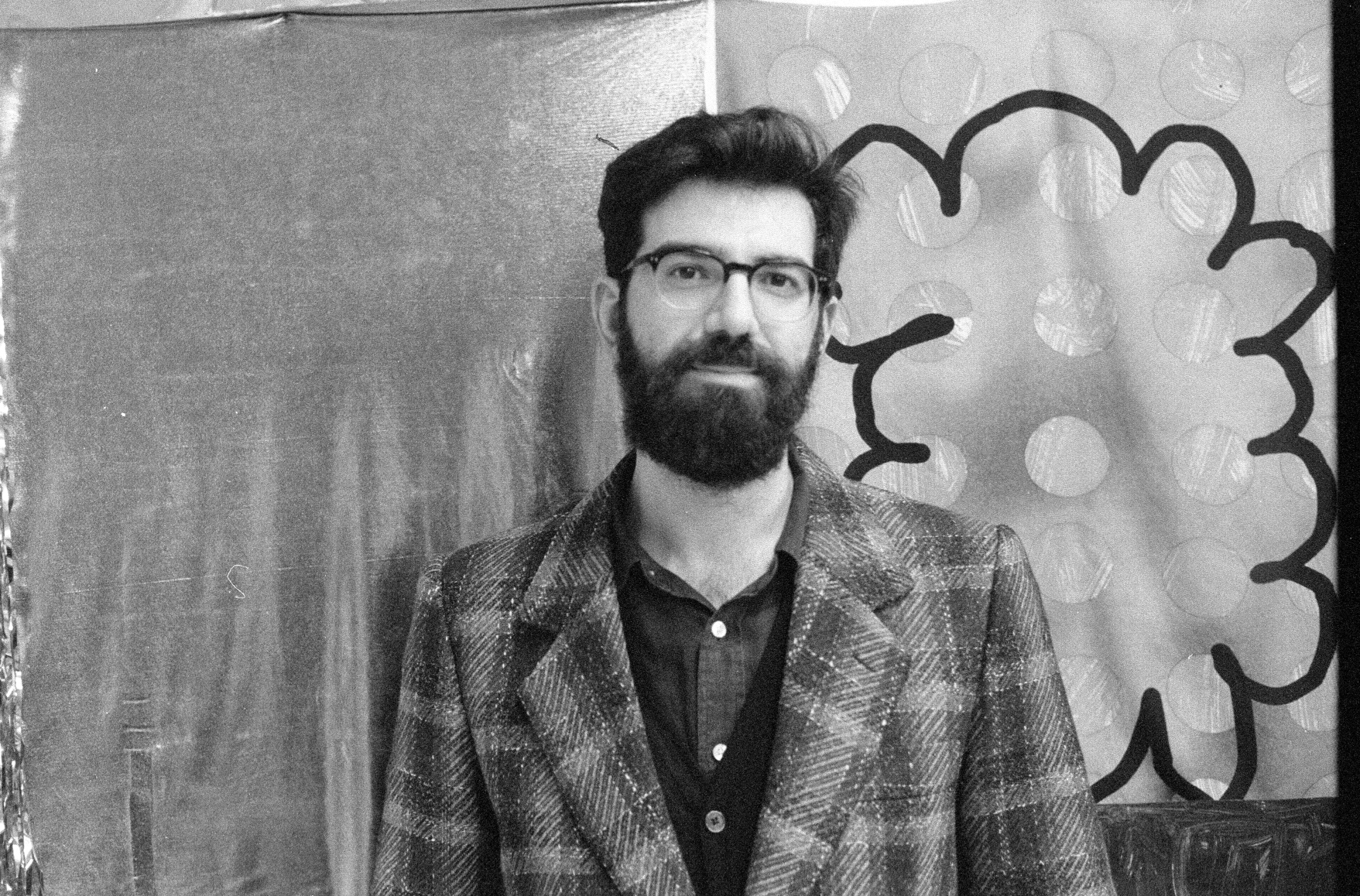
Tommaso Di Dio
Tommaso Di Dio (1982) lives and works in Milan. He is the author of several poetry collections, including Tua e di tutti (Pordenonelegge, 2014), Verso le stelle glaciali (Interlinea, 2020), Nove lame azzurre fiammeggianti nel tempo (Scalpendi, 2022), and Ardore (Nino Aragno, 2023). He works in literary criticism and translation. He edited the first Italian edition of the American classic Spring and All (Ibis, 2020) by W.C. Williams, as well as a selection of Dylan Thomas’s poetry, Visione e preghiera (Giometti&Antonello, 2023). Since its foundation, together with Carlo Sini and Florinda Cambria, he has been a member of the scientific committee of the philosophy and culture laboratory Mechrí. In 2023, he edited an anthology of Italian poetry from the last fifty years: Poesie dell’Italia contemporanea (Il Saggiatore).
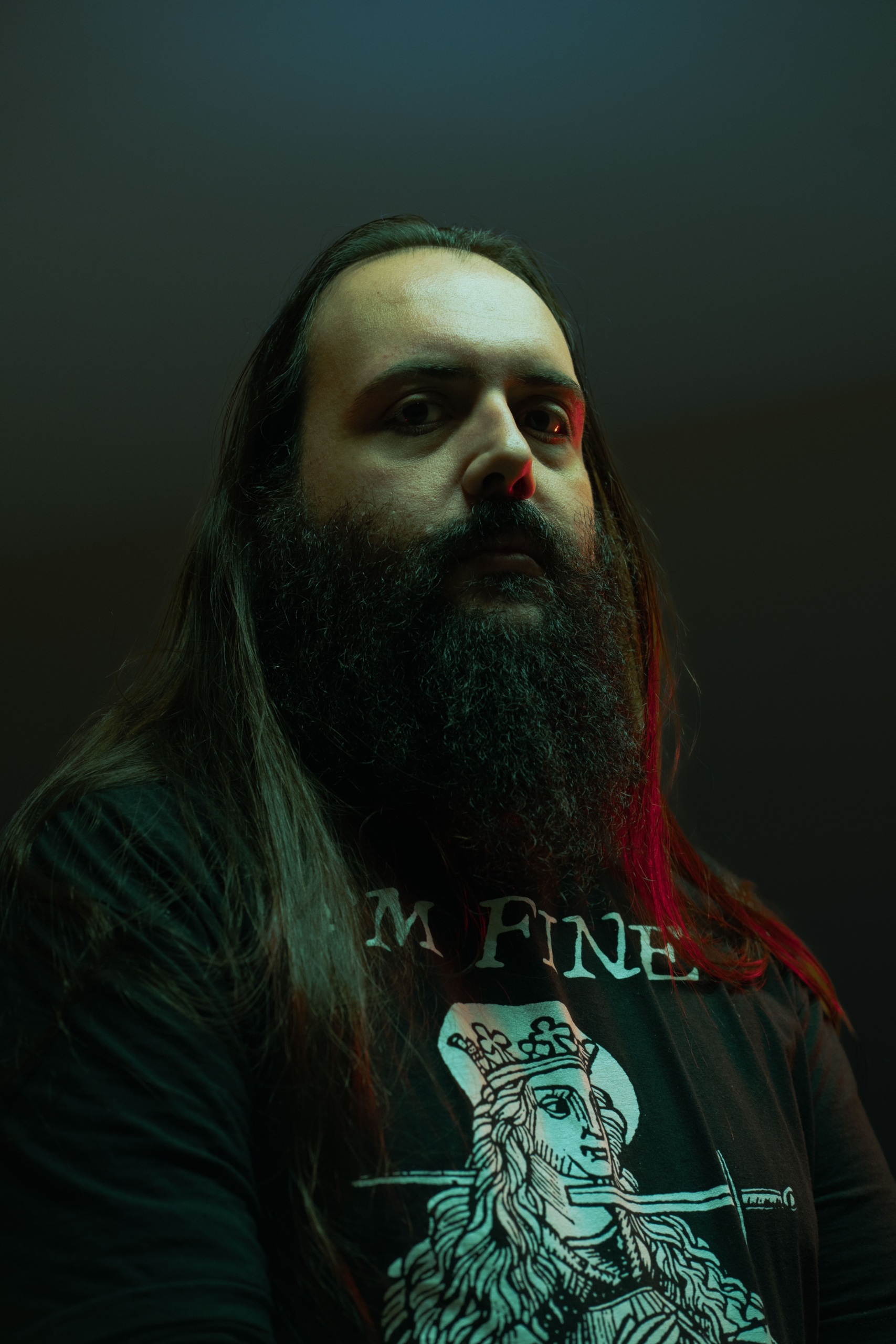
Andrea Donaera
Andrea Donaera was born in 1989 in Salento, where he currently lives. He has published several poetry collections, including Una Madonna che mai appare (in the 14th Quaderno Italiano di poesia contemporanea; Marcos y Marcos, 2019) and Le estreme conseguenze (Le Lettere, 2023). He is also the author of several novels: Io sono la bestia (NNE, 2019), Lei che non tocca mai terra (NNE, 2021), and La colpa è mia (Bompiani, 2024). He works as an editor and proofreader for various publishing houses and is a teaching assistant in Contemporary Italian Literature at the University of Salento.
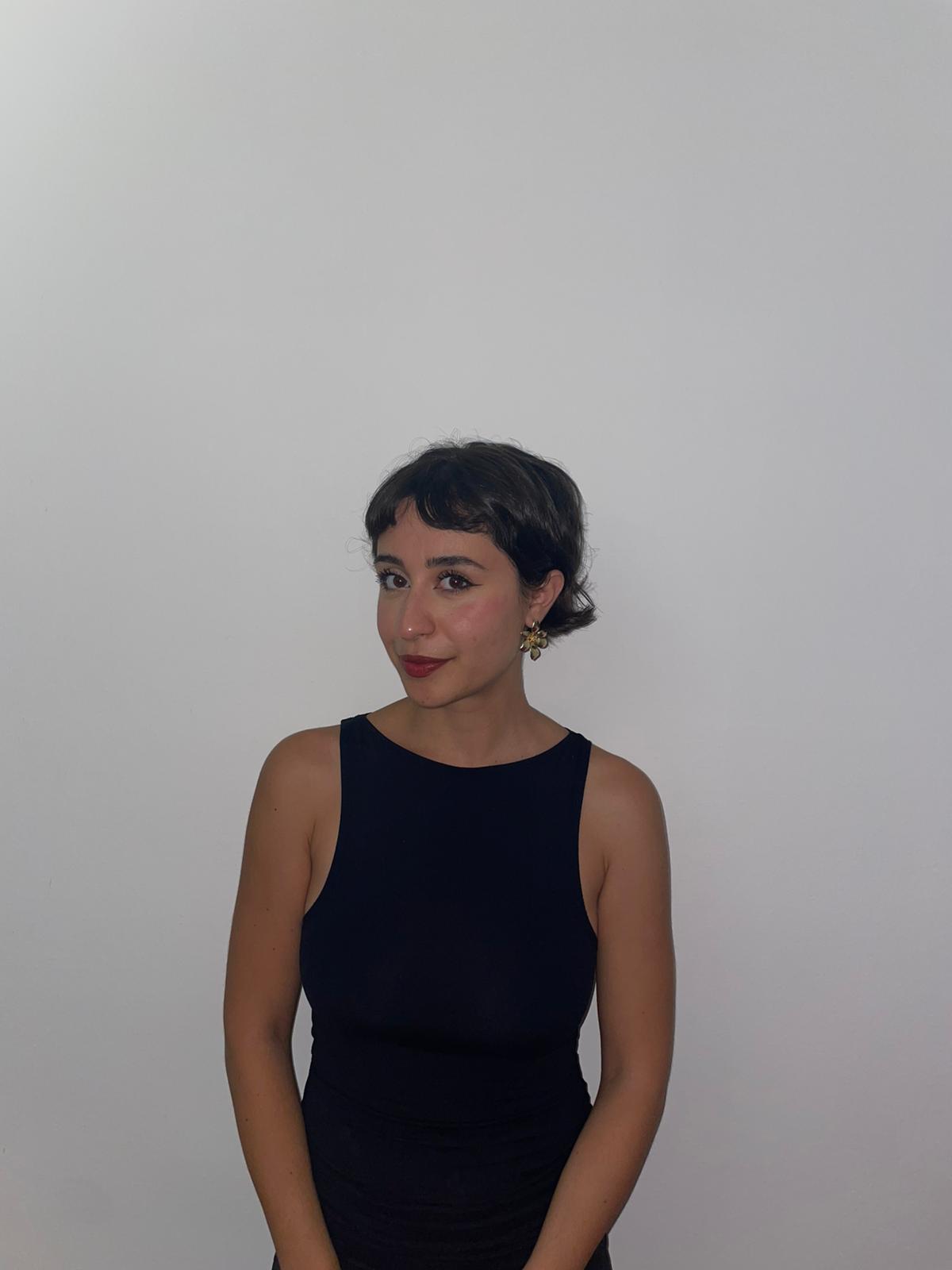
Elena Lacentra
Elena Lacentra (Bellinzona, 2001) holds a degree in Italian literature and art history. She pursued her university studies between Fribourg, Bologna, and Pisa. In 2025, she was awarded the Alma Mater Violani Landi unpublished works prize (ex aequo) for her poetry collection Glanage.
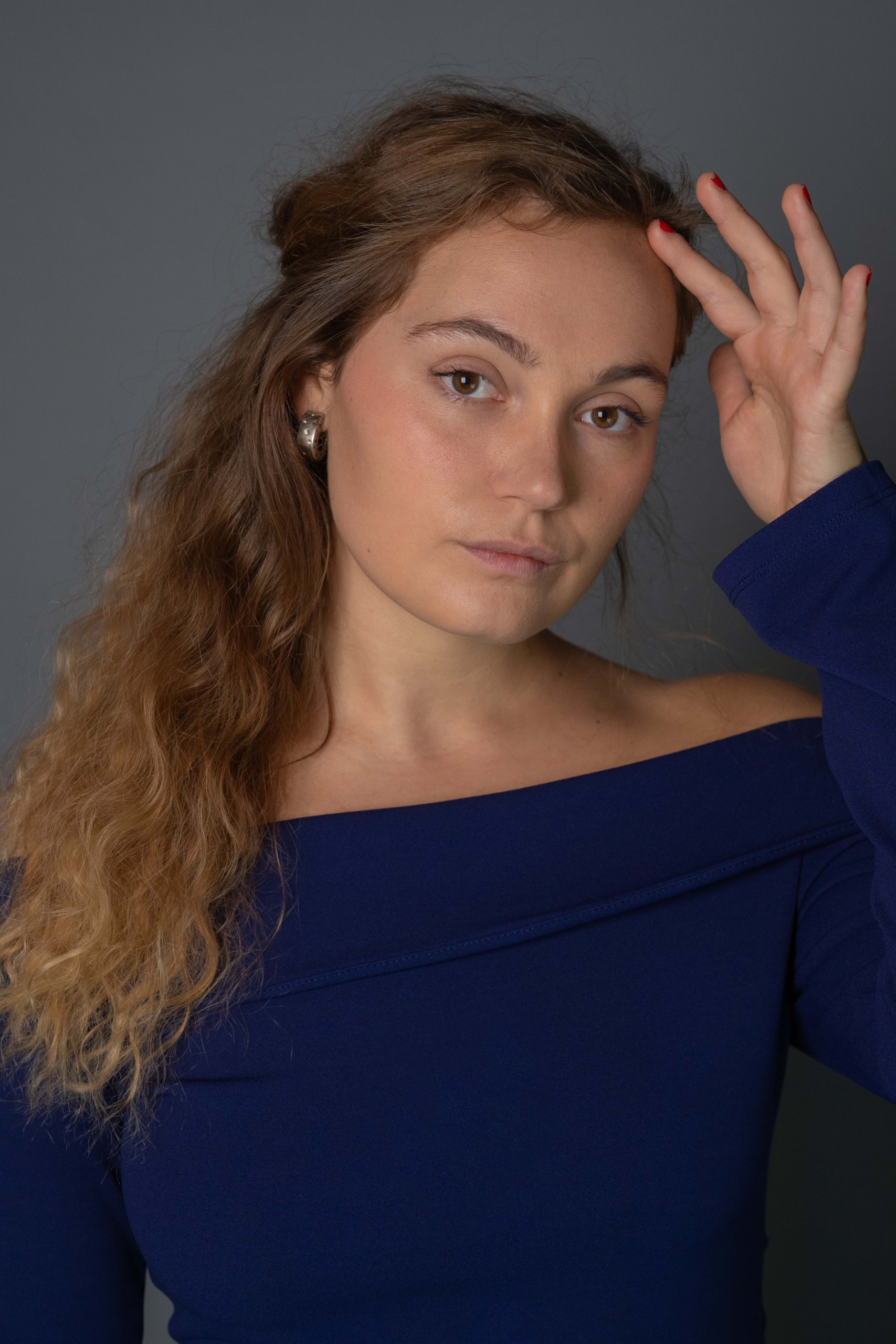
Giada Borgagni
Giada Borgagni was born in San Marino in 2000. She was introduced to poetry as a teenager through a poetry workshop within the project Lo spazio bianco delle arti, later continuing her educational and associative activities during her university years in Bologna, where she became an active member of the Centro Contemporanea di Bologna. In 2024/25, she participated in several literary prizes and was invited to Villa delle Ginestre in Torre del Greco, the LericiPea festival, and Amici di Nicco.
She has worked as an educator in a residential community for unaccompanied foreign minors and attends the film academy La Valigia dell’Attore. She has also worked as a tutor alongside the poet Isabella Leardini in the poetry workshop Circolo dei poeti nascosti at the A. Panzini middle school in Rimini. Some of her poems have appeared on the websites of Vallecchi Firenze and Poeti Oggi.
In 2025, she won the Alma Mater Violani Landi Poetry Prize (unpublished works) with her collection La corsa della figlia. Her debut poetry manuscript of the same title will be published by Puntoacapo Editore. She is also one of the selected winners of the 2026 Seriality and Audiovisual Course at Bottega Finzioni.
To date, she works on theatre projects, on independent and non-independent film sets, and as an educator.
Round table
Poetic language and vision
Guests
Riccardo Donati
Riccardo Donati teaches Italian Literature at the Scuola Superiore Meridionale and the University of Naples Federico II. His research focuses on Italian and Euro-American literature from the eighteenth century to the present day. His most recent publications include Critica della trasparenza. Letteratura e mito architettonico (Rosenberg & Sellier, 2016), Apri gli occhi e resisti. Sull’opera in versi e in prosa di Antonella Anedda (Carocci, 2020), Il vampiro, la diva, il clown. Incarnazioni poetiche di spettri cinematografici (Quodlibet, 2022), Queste mie carte argute. Sei studi su Giuseppe Parini (Cesati, 2022), and Leo Spitzer. Un profilo intellettuale (Carocci, 2026). In 2013, he was awarded the “Giuseppe Borgia” Prize by the National Academy of the Lincei in recognition of his contributions to the study of poetry.
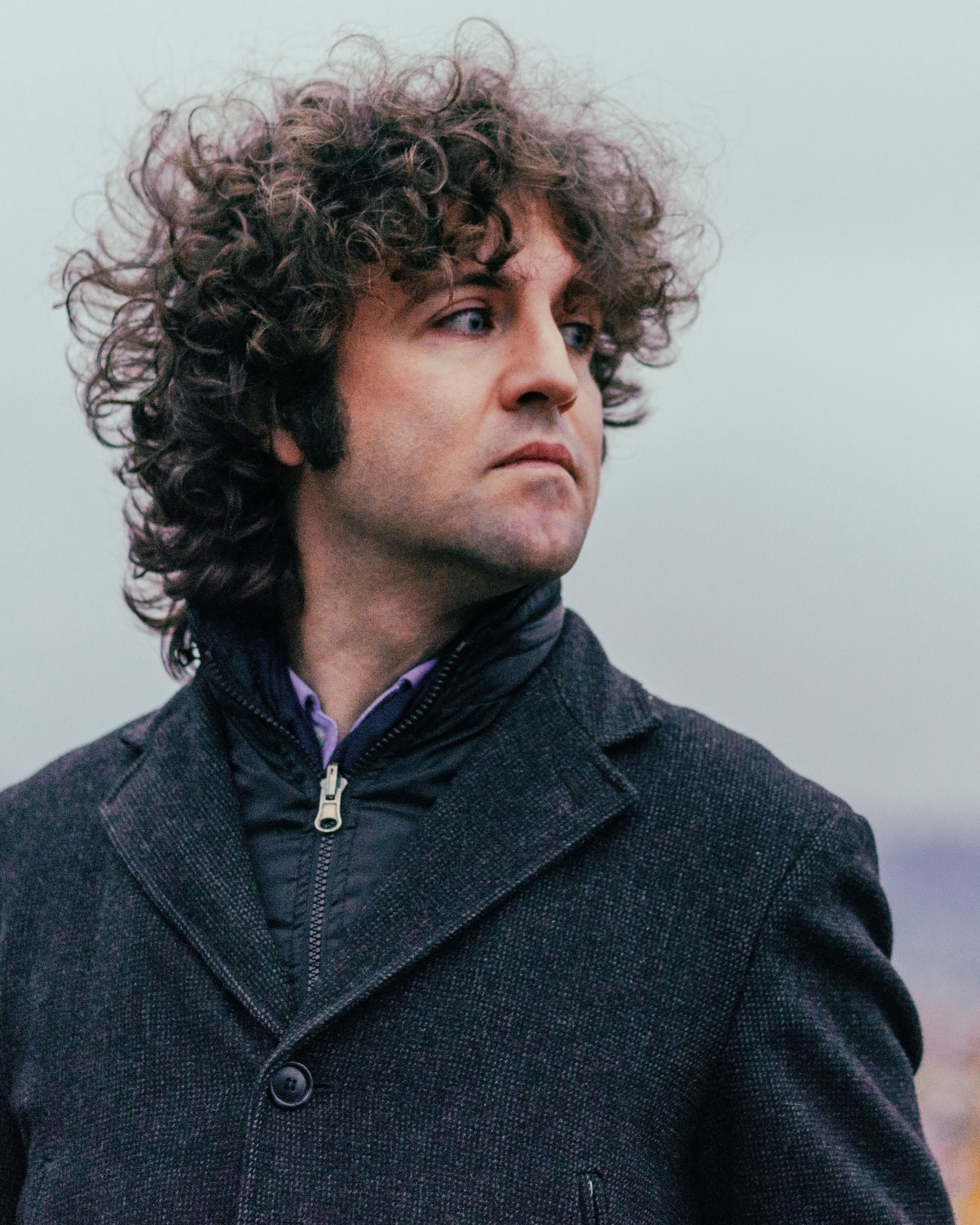
Maria Borio
Maria Borio is a poet and essayist. She serves on the editorial board of Nuovi Argomenti, where she is responsible for the poetry section. Her published poetry collections include Vite unite (XII Quaderno italiano di poesia italiana, 2015), L’altro limite (pordenonelegge–lietocolle, 2017), translated into Spanish, Trasparenza (Lyra giovani, Interlinea, 2019), translated into English (2022 and 2025) and republished in a musical edition (2024), Dal deserto rosso (I Quaderni della collana, Stampa2009, 2021), translated into German (2024), and Prisma (manufatti poetici, biblion, 2022). She has edited the anthology Per tutte noi (Le Lettere, 2022), the translation of Emily Dickinson’s Cinquantacinque poesie (Crocetti, 2025), a volume of poems by Antonia Pozzi for the Italian Cultural Institute in Amsterdam (2025), and the collected poems of Dacia Maraini (Rizzoli, 2026). She is the author of the critical studies Satura. Da Montale alla lirica contemporanea (Serra, 2013) and Poetiche e individui (Marsilio, 2018). She also developed the project Un altro vero. Poesia e autenticità come dialogo e ricerca (Mimesis, 2026) and is currently working on a new study devoted to poetry and authenticity. She teaches Contemporary Italian Literature as an adjunct lecturer at the University of Perugia and has delivered lectures for the Molly Bloom Academy and CentroScritture. She is the founder of the international summer school poesiæuropa.
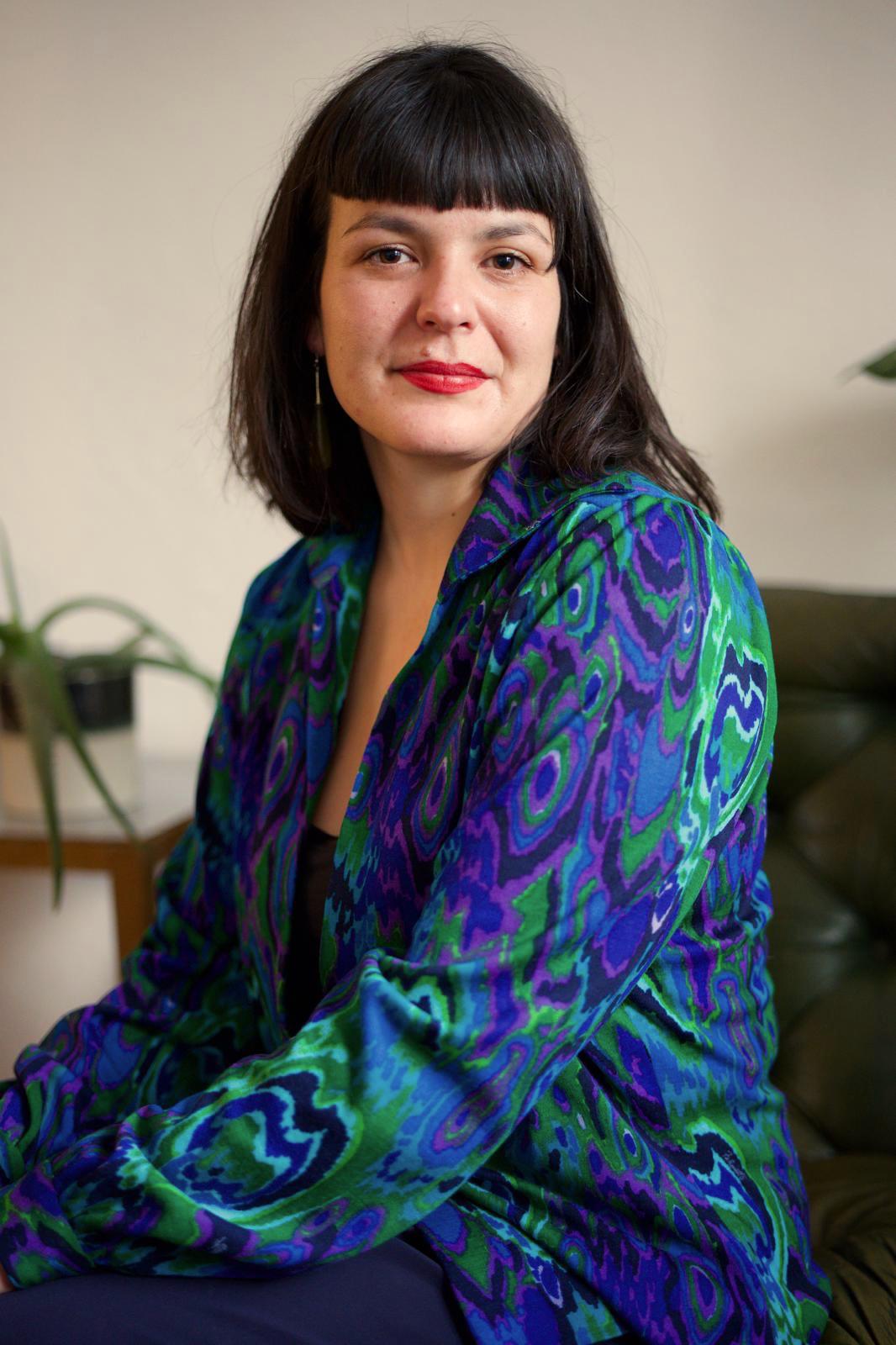
Marco Pelliccioli
Marco Pelliccioli (b. 1982) is the author of the poetry collections Nel concerto del tempo (Mondadori, 2024), L’inganno della superficie (Stampa2009, 2019), L’orfano (LietoColle–Pordenonelegge, 2016), and C’è Nunzia in cortile (LietoColle, 2014). In 2015, he published the novel A due passi dal treno (Eclissi Editions), which was commended by the Premio Calvino. He also writes fiction for young readers, published by Gallucci and Einaudi, and is featured in the anthology Giovane poesia italiana (Pordenonelegge, 2020), which has been translated abroad. He contributes reviews and articles to newspapers and literary journals, focusing on major figures of twentieth-century Italian poetry. He serves as Executive Director of the Casa della Poesia di Milano.
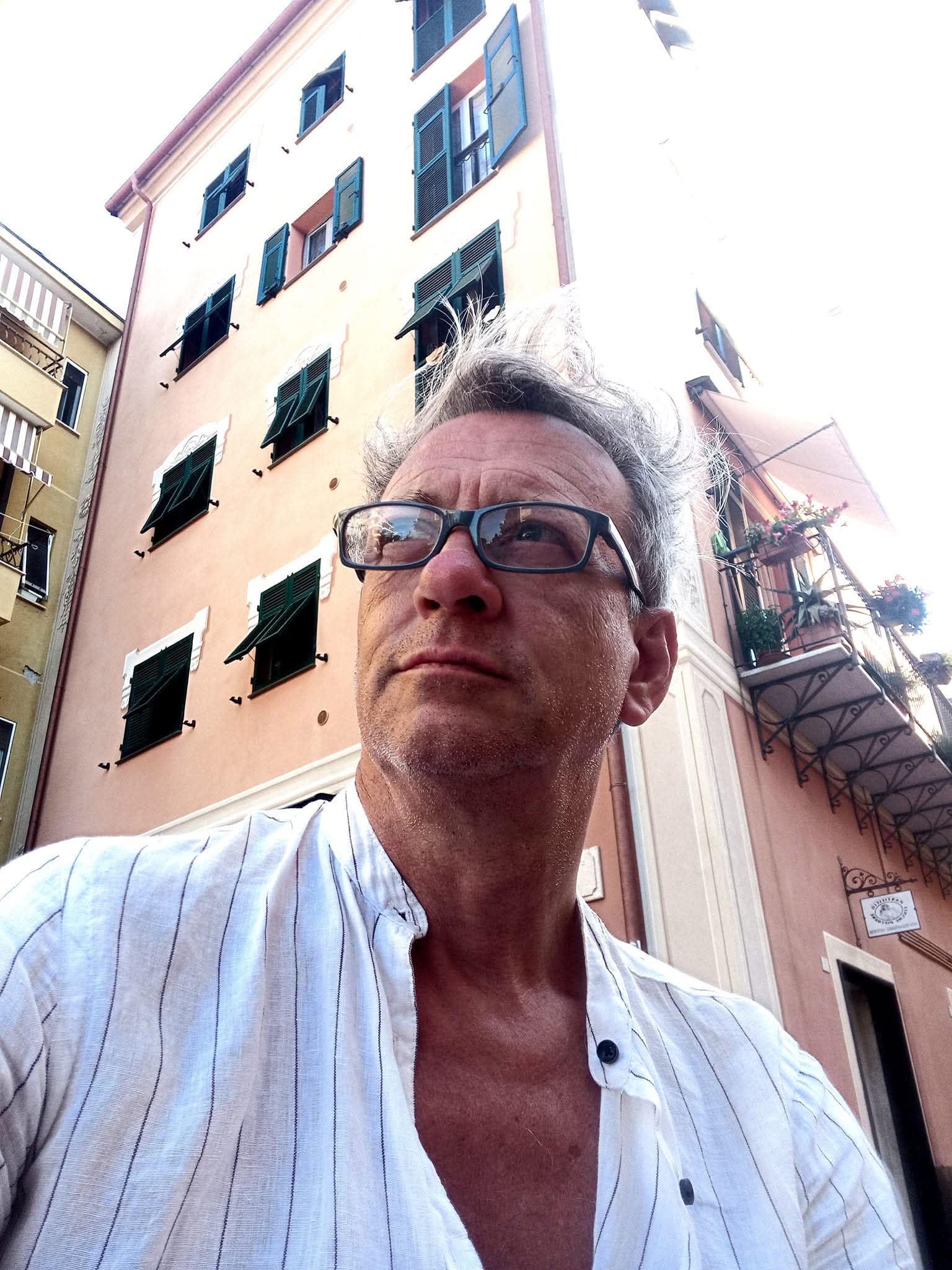
Mara Travella
Mara Travella (b. 1993) holds a PhD in Literature from the University of Zurich, where her research focused on transnational publishing. A cultural practitioner and curator, she is Artistic Director of the Casa della Letteratura for Italian-speaking Switzerland. She is a member of the organising committees of the literary festival Chiassoletteraria, the writing and translation event Rencontres de Bienne, and the aller-retour festival (Fondation CH). She is also co-founder of Luminanza (2020), a platform dedicated to Swiss Italian-language playwriting, and of CH NETZWERK (2023), the association of Swiss literary festivals.
Stefano Raimondi
Stefano Raimondi (Milan, 1964) is a poet and literary critic. His poetry collections include Invernale (Lietocolle, 1999), Il mare dietro l’autostrada (Lietocolle, 2005), Interni con finestre (La Vita Felice, 2009), Per restare fedeli (Transeuropa, 2013), Soltanto vive. 59 Monologhi (Mimesis, 2016), Il cane di Giacometti (Marcos y Marcos, 2017), Il sogno di Giuseppe (Amos, 2019), Storie per taccuino piccolo piccolo (Scalpendi Editore, 2022), L’Antigone. Recitativo per voce sola (Mimesis, 2023), and L’Atalante (Valigie Rosse, 2024). He is also the author of several works of literary criticism, including La ‘Frontiera’ di Vittorio Sereni. Una vicenda poetica (1935–1941) (Unicopli, 2000), Il male del reticolato. Lo sguardo estremo nella poesia di Vittorio Sereni e René Char (CUEM, 2007), and Portatori di silenzio (Mimesis, 2012). He teaches at the Libera Università dell’Autobiografia and at the Belleville School of Creative Writing. He serves on the Scientific Committee of the Centre for Studies and Research on Autobiographical Literature at the Libera Università dell’Autobiografia in Anghiari. He is also among the founders of the Accademia del Silenzio and LABB – Luoghi abbandonati, luoghi ritrovati. Laboratorio Permanente sui territori e le comunità (University of Milan). He is the editor of the poetry series Eupalinos for Jouvence Edizioni.
Elisa Primavera-Lévy
Elisa Primavera-Lévy, born in Munich in 1976, has been an editor of the literary journal Sinn und Form (Sense and Form), published by the Academy of Arts in Berlin, since 2013. The journal features poetry, fiction, essays and correspondence. She studied in Berlin and Copenhagen and earned a doctorate in German Studies from the University of Chicago. She has published numerous articles on the ways in which philosophy and literature address pain, as well as on the autonomy of aesthetics. Her most recent book is Die Bewahrer der Schmerzen (The Guardians of Pain: Physical Pain in German Culture and Writing, 1870–1945), published by Kadmos in 2012 and reissued in a second edition in 2025.
Nino Cannatà
Nino Cannatà is a director, designer, publisher and cultural promoter. His work focuses on artistic experimentation and interdisciplinary research across film, theatre, music and literature. He conceived and directed the Progetto Calogero, dedicated to the rediscovery of the work of the poet Lorenzo Calogero. For this project, he was awarded the Premio Franco Costabile in 2008 and received a Medal of Recognition from the President of the Italian Republic for the celebrations of the Anno Calogeriano (2010–2011). He has curated numerous publishing and cultural initiatives and is the creator and Artistic Director of the Festa della Poesia di Melicuccà. He is also the founder of LYRIKS Editions.
Luigi Socci
Luigi Socci was born in Ancona in 1966, where he continues to live and work. A sales representative by profession, part-time versifier, confessional performer and poetic animator, he is the author of Regie senza films (Elliot, 2020), Prevenzioni del tempo (Premio Ciampi, Valigie Rosse, 2017), Il rovescio del dolore (Italic Pequod, 2013), winner of the Premio Metauro and the Premio Tirinnanzi – Città di Legnano, and Freddo da palco (d’if, 2009). His work also appears in the anthology VIII Quaderno italiano di poesia contemporanea (Marcos y Marcos, 2004). He has written hundreds of theatre reviews for Il Messaggero and Il Resto del Carlino. He is the Artistic Director of the poetry festival La Punta della Lingua and of the international video-poetry prize La Poesia che si vede.
Giuseppe Nibali
Giuseppe Nibali was born in Catania in 1991. He studied Modern Literature and Italian Studies at the University of Bologna. A registered journalist, he is Editor-in-Chief of Poesia del nostro tempo and curator of the Ultima project. He contributes regularly to Le Parole e le cose, Minima & Moralia, Il Foglio, and Treccani Magazine. He is the author of the poetry collections Scurau (Arcipelago Itaca, 2021) and Eucariota (Pordenonelegge / Samuele Editore, 2023). In 2025, his work was included in the XVII Quaderno di poesia contemporanea published by Marcos y Marcos. His first novel, Animale (Italo Svevo Edizioni, 2022), was published in 2022. Since 2023, he has served as Editorial Director of the poetry series Apnea, published by Mar dei Sargassi Edizioni. In 2025, Una cosa che non parla – intellettuali e studenti contro la scuola was published by San Paolo Edizioni, featuring a contribution by Alessandro Barbero. In 2026, he edited Poesia come violenza by Zachary Schomburg for Italo Svevo Edizioni.
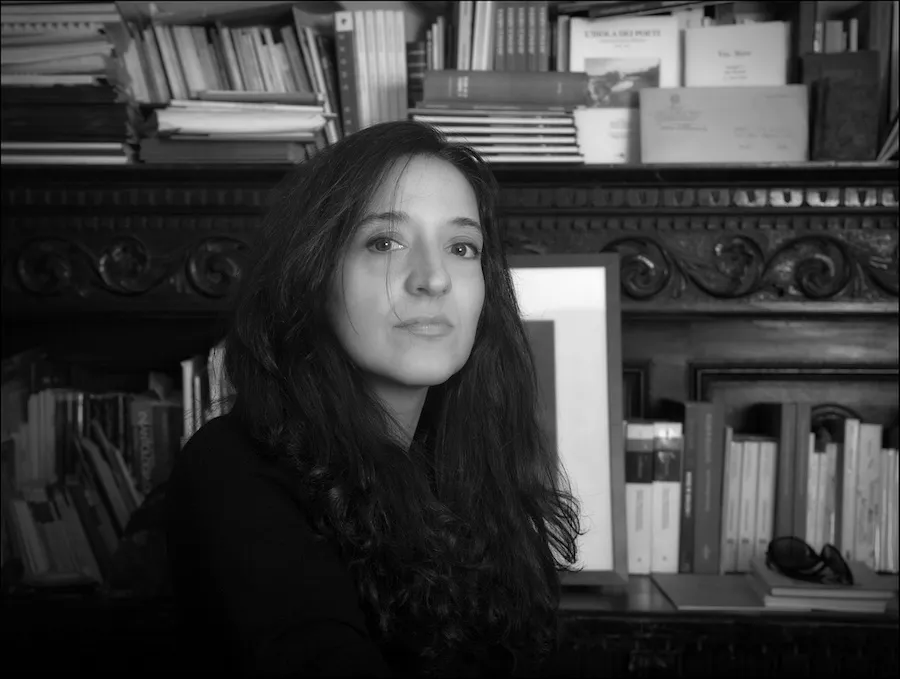
Lidia Riviello
Lidia Riviello was born in Rome. Her poetry publications include Rum e acqua frizzante (2003, with a note by Carla Vasio), Neon 80 (ZONA, 2008, with a note by Edoardo Sanguineti; winner of the Premio A. Delfini 2007), Sonnologie (ZONA, 2016, with an introductory note by Emanuele Zinato), All you can eat (Nino Aragno, 2021, with a note by Laura Pugno), and Stati di salute (Nino Aragno, 2025, with a note by Mariagrazia Calandrone). In the summer of 2025, the publishing house L’Usage released Somnologies, the English edition of Sonnologie. An author, consultant, and production coordinator for RAI – Radiotelevisione Italiana, she currently collaborates with Blob, the long-running programme on Rai 3, and produces podcasts for RaiPlay Sound. Among her most significant collaborations, since 2008 she has been an active collaborator with Compagnia della Fortezza, the National Centre for Theatre and Prison Studies, founded thirty-five years ago by the playwright Armando Punzo.
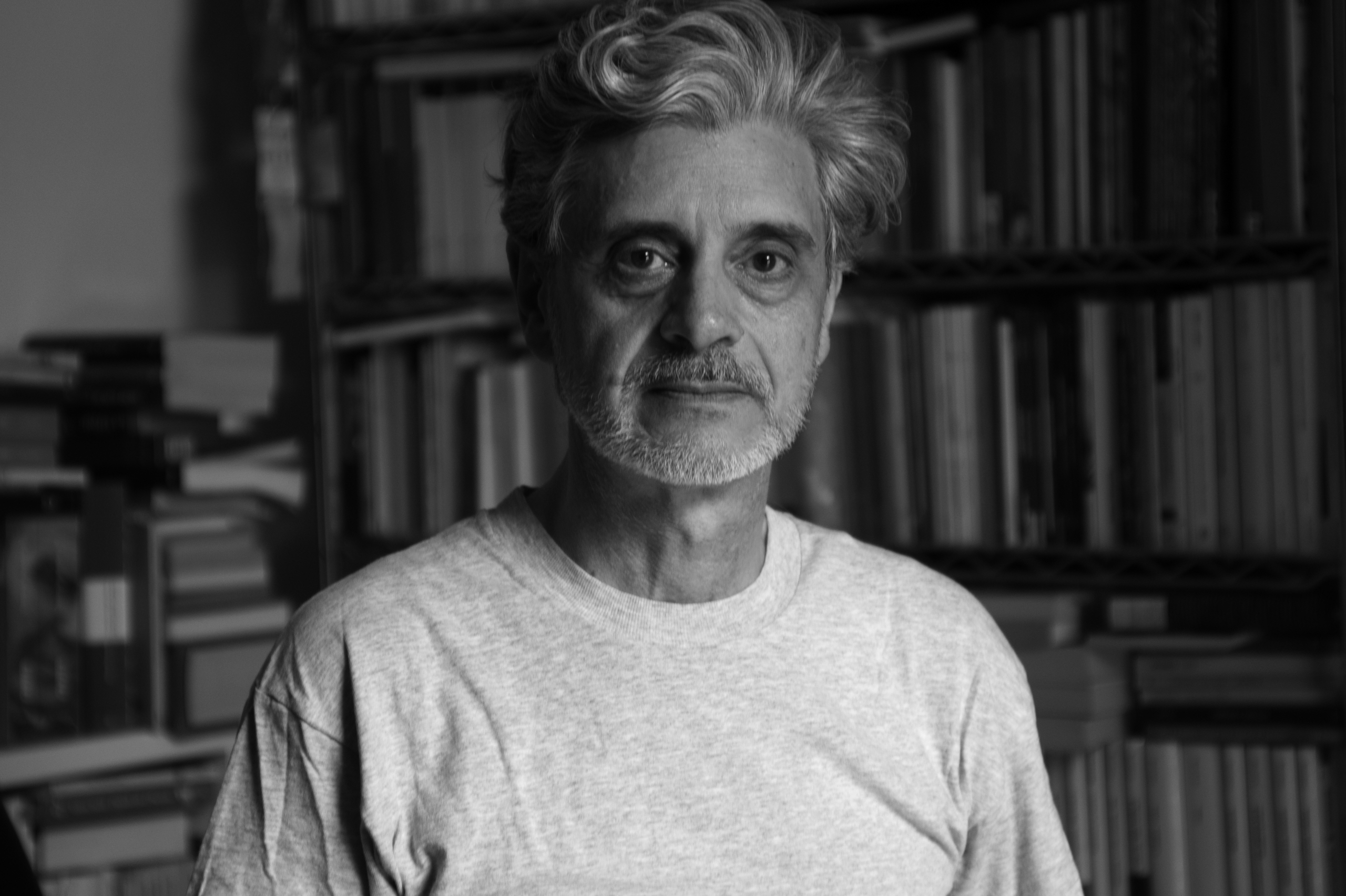
Sergio Rotino
Sergio Rotino lives and works in Bologna, dividing his time between publishing, radio broadcasting, teaching creative writing and professional development courses, organising cultural events, and working night shifts as an educator in youth care centres.
He is the author of a novel and several poetry collections. His most recent works are Fine della biologia (VAN, 2025) and Vivaio (Arcipelago Itaca, 2026), published with an introductory note by Renata Morresi.
A journalist without formal accreditation, he lent his voice to programmes broadcast by Radio Città del Capo. He currently focuses on children’s and young adult literature (ages 0–18) through Il ragazzo dai capelli verdi, a programme on Radio Oltre.
The curators
Meet the curators of the first edition of the Biografilm Poetry residency.
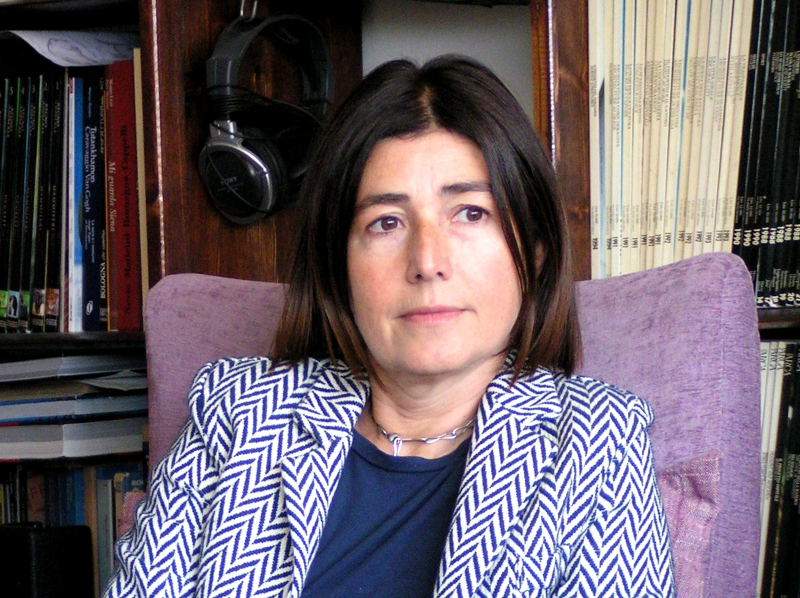
Emanuela Ceddia works in the field of cinema. She is one of the founders of the Biografilm Festival and is currently Vice President of the film distribution company I Wonder Pictures. Alongside her work in film promotion and distribution, she also pursues her study of poetry, publishing her first collection Essere Transitivo with Lieto Colle in 2017. Biografilm Poesia emerges from the combination of her experience in these two worlds and the passion that drives her in both.
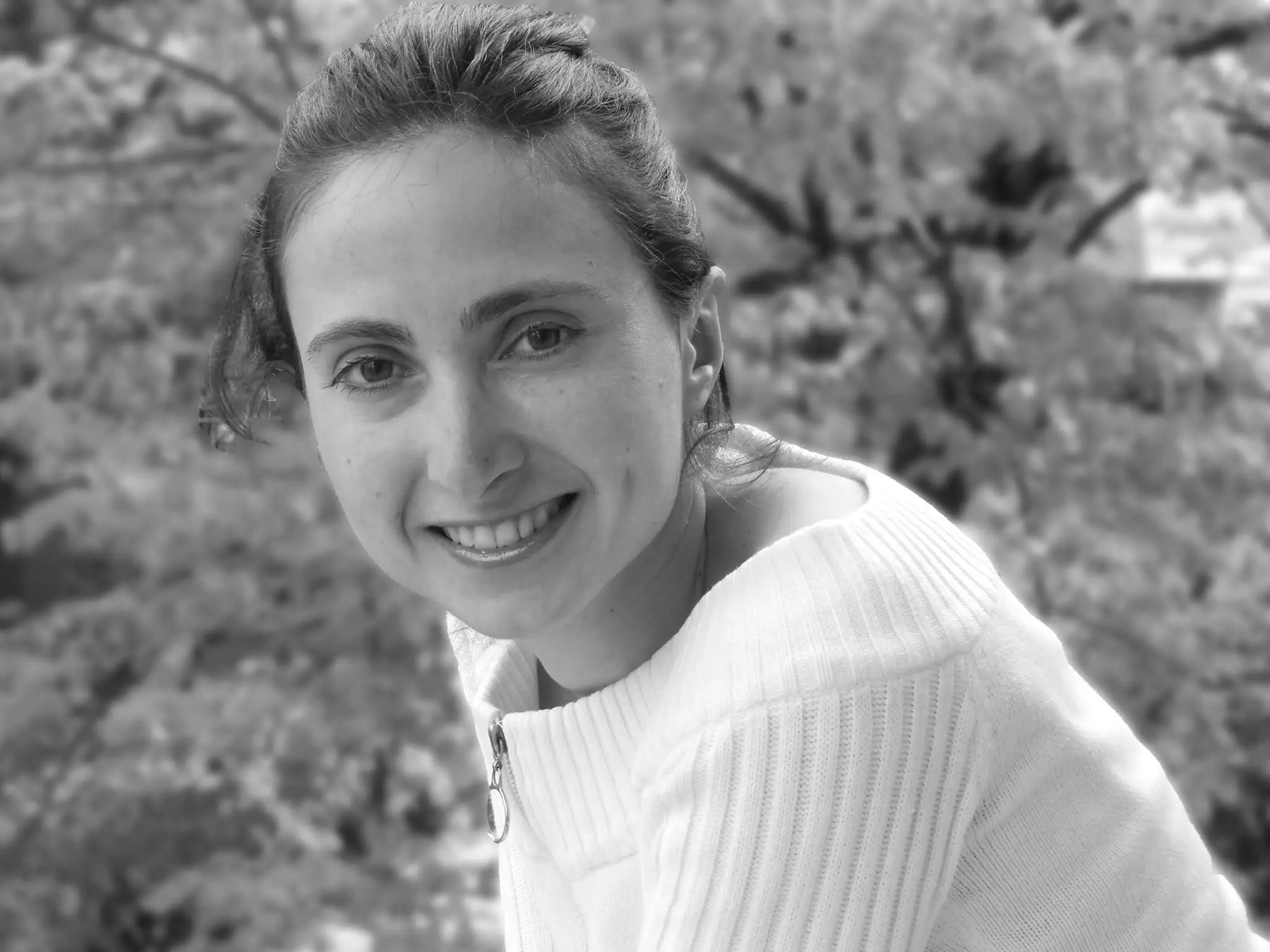
Franca Mancinelli is a poet and writer. Among her most recent books are Libretto di transito (2018) and Tutti gli occhi che ho aperto (Marcos y Marcos, 2020 – awarded the Europa in Versi Prize 2021 and the San Vito al Tagliamento Prize 2022/23). Her entire body of work is available in English translation by John Taylor, published in four volumes by The Bitter Oleander Press and Black Square Editions (New York). She leads workshops focused on listening and experiencing poetic language (for Teatro Valdoca and Scuola Holden). She collaborates with the Pordenonelegge Foundation and the Calzolari Foundation. Together with Rossana Abis, she curates the poetry series Cantus firmus (AnimaMundi Edizioni).
Diario di passo | www.francamancinelli.com
Program
- Friday, June 12, 4:00 p.m. @ Sympò (Via della Lame, 83)
Dialoghi dalla residenza. Tavola rotonda su parola poetica e visione
- Friday, June 12, 8:30 p.m. @ Chiostro del complesso di Santa Cristina “Della Fondazza” (Piazza Giorgio Morandi, 2)
Cercherò frasi che ti salvano with Milo De Angelis in conversation with Emanuela Ceddia and Franca Mancinelli.
Lectures by Viviana Nicodemo
At 9:30 p.m. the night will continue with a screening of The Desert of the Real, introduced by Ceddia and Mancinelli with Milo De Angelis
Partners