Biografilm Generazioni Digitali – Final Event
The project
Schools of all levels, through the language of cinema, reflect on how to counter discrimination and take an active part in building inclusive communities.
The teacher training and classroom workshop program focuses on film language education and experimentation with visual self-narration tools, with a reflection on the ethical and conscious use of images shared online. The project also explores film professions, offering orientation and educational paths rooted in participants’ own local areas and aimed at broadening young people’s imagination.
The learning paths are based on the principles of Universal Design for Learning (UDL): audiovisual media become a means of expression and representation that facilitates the active participation of students with special educational needs (SEN), bringing out skills that often go unrecognized in traditional teaching.
Drawing inspiration from Biografilm’s experience, a Human Media Library takes shape, made up of audiovisual autobiographies and biographies created by the classes each year. Screened first in theaters and then made available online, the Human Media Library is an educational and teaching tool shared with the educating community and supports the development of transversal skills.
The project opens with training opportunities for teachers, also open to families, and closes with a film festival in theaters, with the active participation of all classes and free access for the public. During the school year, teachers have free access to the I Wonder Scuole streaming platform for classroom screenings.
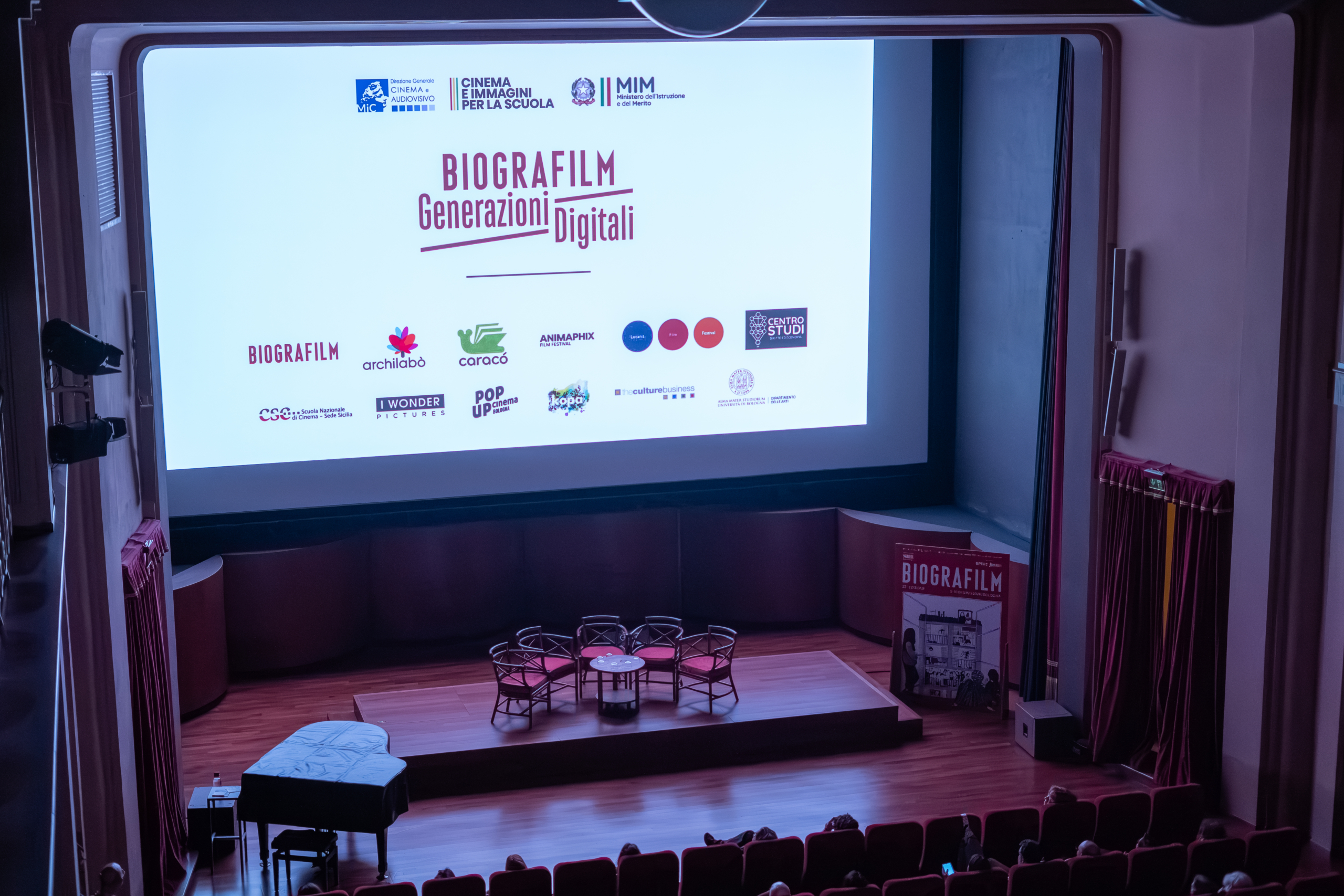
Generazioni Digitali is a local project by Biografilm (Associazione Fanatic About Festivals) in partnership with Archilabò, Associazione culturale QB – Animaphix, Associazione culturale Allelammie, Caracò, the Interuniversity Study Center for Law and Economics of Pavia, Fondazione CSC Centro Sperimentale di Cinematografia (Palermo branch), I Wonder Pictures, Pop Up Cinema, Kopa, TCB – The Culture Business, the University of Padua, and the Alma Mater Studiorum University of Bologna.
Learning objectives
At the end of the project, teachers will be able to:
- use audiovisual language to support access to knowledge and as a cross-curricular tool for civic education;
- lead critical reflection on audiovisual language and new media, encouraging their conscious and informed use;
- identify the stages of the film production and distribution chain, as well as different types of audiovisual works;
- independently create audiovisual content in the classroom using smartphones and tablets creatively, through the learning of accessible filmmaking techniques, tools, apps, and software;
- acquire innovative and inclusive teaching methodologies that can be applied across all curriculum subjects and that support the development of positive classroom relationships and group dynamics.
Students will be able to:
- understand the basic grammar of audiovisual language and create simple audiovisual content using their own smartphones;
- identify the stages of the film production and distribution chain, as well as different types of audiovisual works;
- engage in critical reflection on audiovisual language and new media, encouraging their conscious and informed use;
- identify the characteristics of the ethical use of images, developing awareness of the social impact of their own audiovisual narratives and productions on others and on the wider community;
- understand how media and audiovisual language can contribute either to generating or combating discrimination;
- create a biographical or autobiographical audiovisual work, collaborating with classmates through the sharing of different stories and perspectives in an inclusive environment.
Information
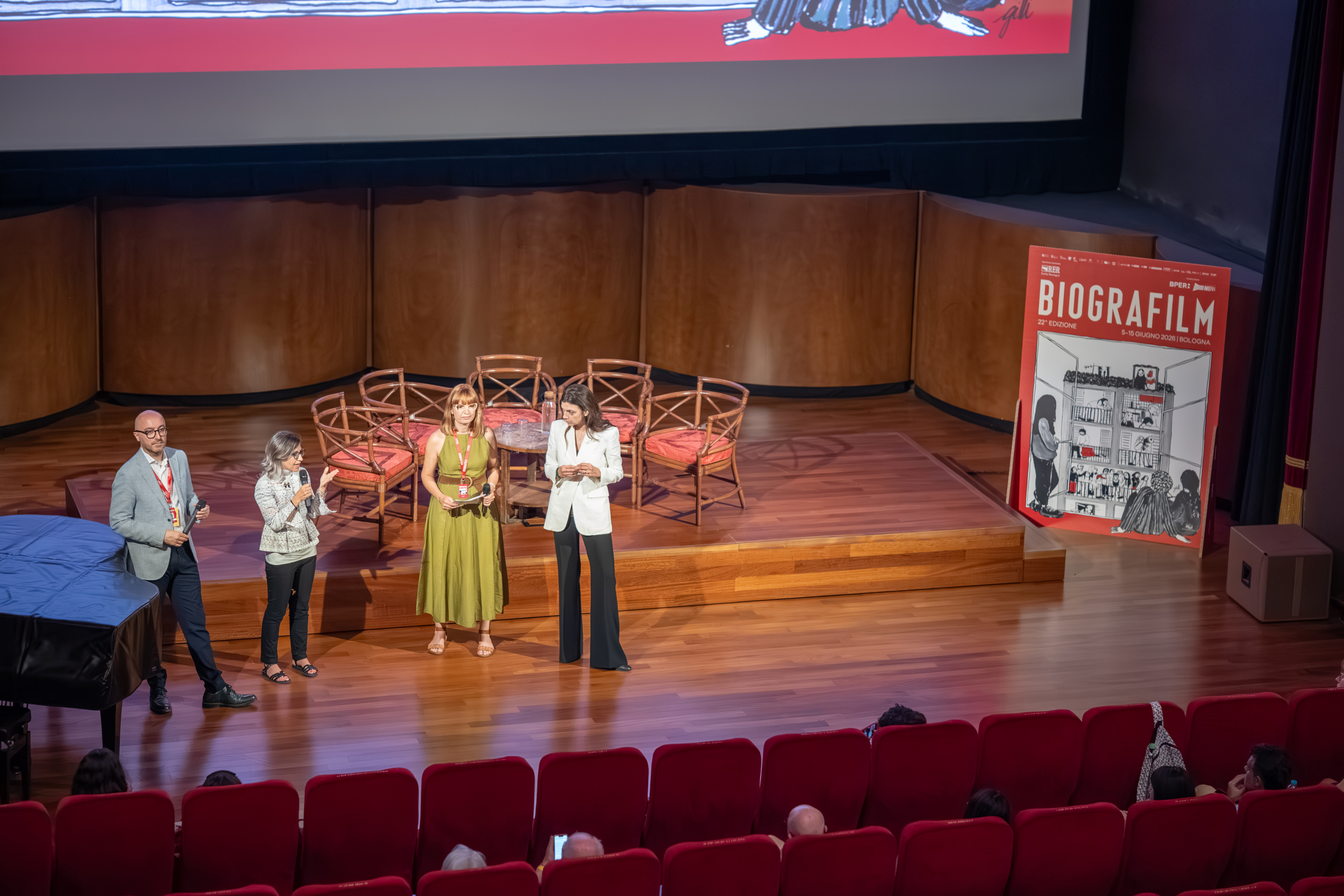
The final event of Biografilm Generazioni Digitali celebrates an educational project that, from December to June, engaged more than 800 students across Emilia-Romagna, Basilicata, and Sicily in exploring careers in the film industry, media literacy, inclusion, and gender equality.
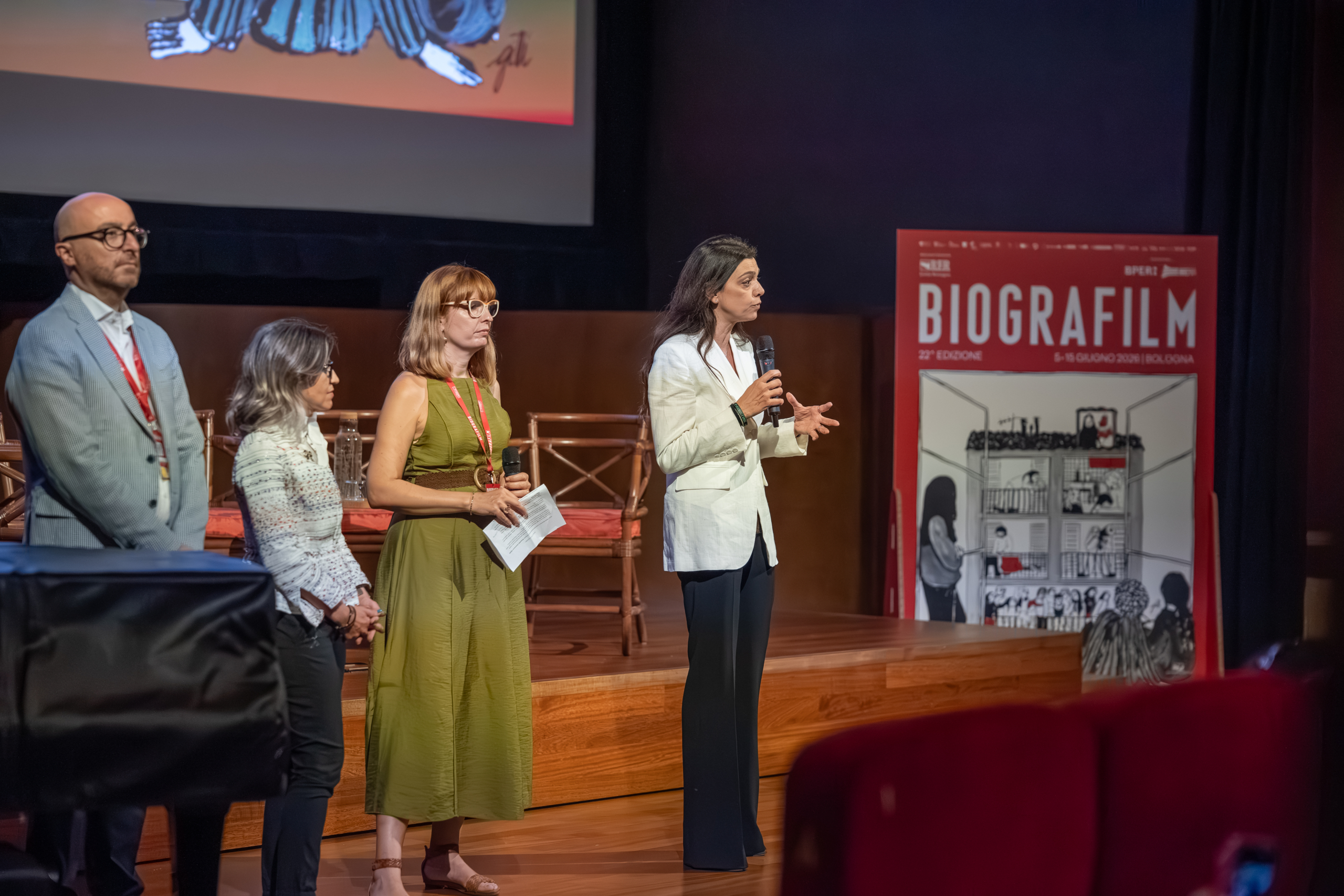
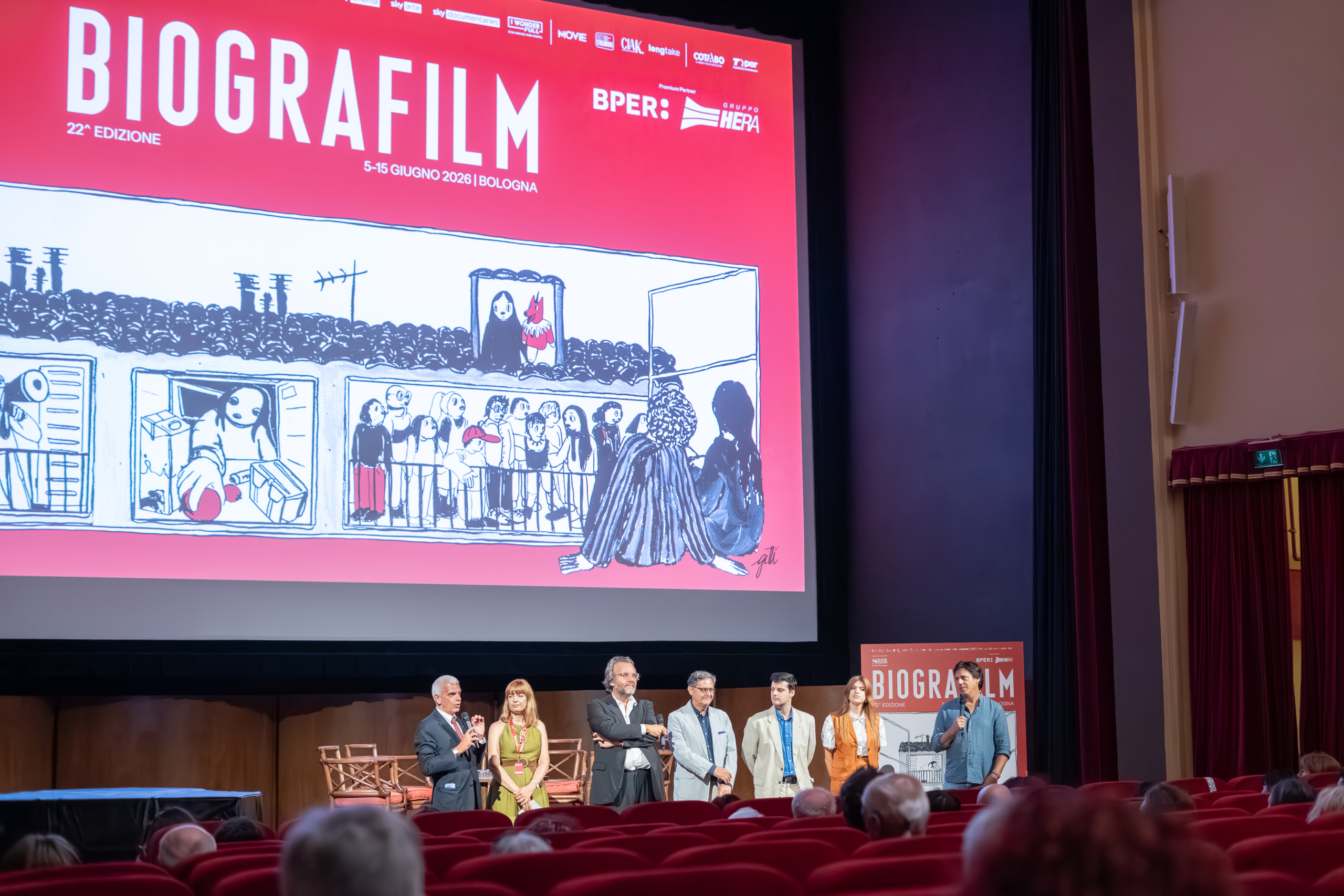
The event opens with the screening of a video highlighting the activities carried out throughout the year, followed by remarks from Chiara Boschiero (Biografilm), Giulia Serinelli (Italian Ministry of Education and Merit and Ministry of Culture), Marco Cucco (University of Bologna), and producer Marianna Panebarco, who took part in the workshops held in schools.
The programme continues with the world premiere of Riusciranno i nostri eroi – Il Cinema di Age & Scarpelli by Marco Spagnoli, attended by the director and members of the film’s crew.
Gallery